
Maximizing Energy Efficiency: How Smart Home Innovations Cut Costs Without Sacrificing Comfort
- StupendousAI
- Jan 6
- 4 min read
As energy prices continue to rise, finding ways to save on utility bills is becoming increasingly important for homeowners. Smart home innovations are changing the way we think about energy consumption, offering solutions that enhance both comfort and efficiency. By using advanced technology in our homes, we can cut costs significantly while enjoying modern conveniences. This blog post explores the benefits of energy-efficient smart homes and provides actionable insights on how these innovations can lead to substantial savings without compromising on comfort.
Understanding Smart Home Innovations
Smart home technology revolves around automating and managing home systems, appliances, and security remotely. This encompasses devices like smart thermostats, lighting systems, and energy monitors that collectively contribute to a more energy-efficient living space. These innovations enable homeowners to track and control energy usage in real time—providing tools to make informed choices that balance comfort and savings.
For instance, a smart energy monitor can show your energy usage patterns over the last month, helping you identify peak usage times and adjust your habits accordingly. By utilizing these insights, you can lower your energy consumption and costs.
Smart Thermostats: The Heart of Energy Management
One of the most impactful innovations in the smart home category is the smart thermostat. Unlike traditional models, these thermostats learn your preferences and adjust heating and cooling based on whether you are home or away.
For example, the Nest Learning Thermostat can save homeowners about 15% on heating and cooling costs, translating to an annual average savings of over $140 for a typical household. Equipped with machine learning capabilities, smart thermostats can even adapt to weather changes by analyzing local forecasts and modifying settings accordingly.

This technology allows users to control the thermostat from anywhere via a smartphone app, ensuring that excessive energy isn’t wasted when no one is home. The convenience and cost savings make smart thermostats a must-have for a proactive energy-saving strategy.
Smart Homes Lighting: Bright Ideas to be Energy-Efficient
Smart lighting is another area where energy-efficient technologies excel. Traditional lighting can account for a significant portion of a home's energy bills, especially when lights are left on unnecessarily. Smart lighting systems offer a solution by using LED bulbs and automated features that optimize energy use.
Consider installing smart LED bulbs that use up to 80% less energy than traditional incandescent bulbs. By setting up schedules or motion sensors, you can ensure lights are only on when needed. For example, if you schedule lights to turn off automatically at midnight, you could save approximately $100 a year in energy costs.

The ability to control your lights remotely means you can turn them off if you forget before leaving home. This combination of eco-friendliness and convenience makes smart lighting an attractive option for many homeowners.
Energy Monitoring Systems: Awareness is Power
Energy monitoring systems are essential for understanding and managing your home’s energy consumption effectively. These devices track energy usage for each appliance, providing actionable insights that can inform your energy-saving strategies.
For example, a smart monitor can identify that your old refrigerator is consuming 30% more energy than expected. With this information, you can decide to replace it with an Energy Star-rated model, potentially saving up to $200 a year on energy bills. Furthermore, some energy monitors recommend changes based on your consumption patterns, guiding you toward more efficient habits.
Smart Appliances: Efficiency at Your Fingertips
Today's smart appliances come equipped with energy-efficient features that enhance convenience while saving money. From refrigerators to washing machines, these appliances often have Energy Star ratings, indicating superior energy performance.
A smart dishwasher, for example, can save over 3,500 gallons of water — which is roughly the amount an average family of four would use in nearly five months. These appliances make it easier to operate in a way that minimizes energy and water usage, translating to significant savings on utility bills.
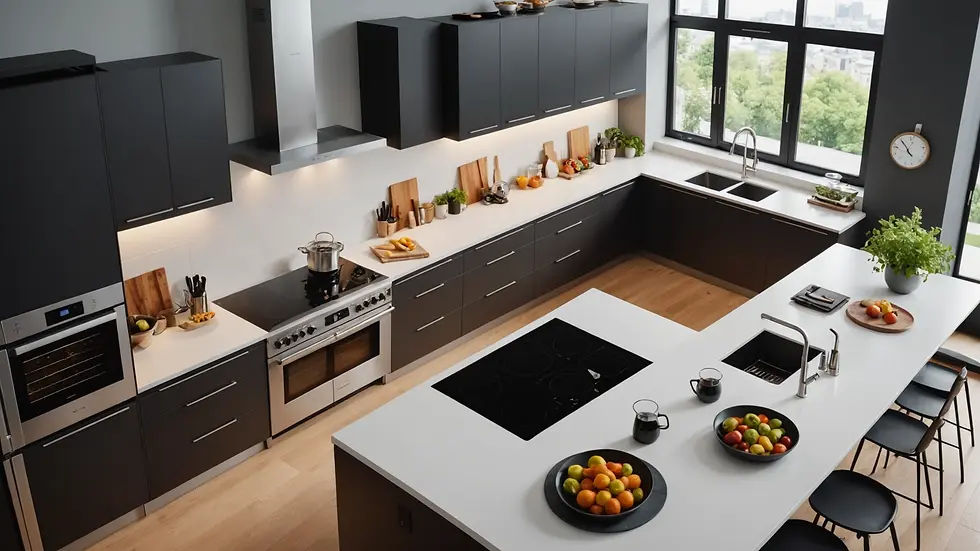
Although upfront costs may be higher, investing in these energy-efficient models often pays off over time through consistent savings.
Home Automation: A More Efficient Lifestyle
Home automation combines various smart devices, allowing them to work together for maximum energy efficiency. For example, you could set up a routine where your smart lights turn off, the thermostat lowers, and non-essential appliances are unplugged when you leave home.
Other scenarios might include automating window blinds to adjust based on sunlight, which helps regulate indoor temperatures naturally. With these systems, effortless control over your home energy use means greater savings and comfort.
The Environmental Impact: Sustainable Living Choices
Adopting energy-efficient smart home innovations yields financial benefits and contributes to environmental sustainability. By reducing energy consumption, homeowners can lower their carbon footprint, which is critical in the fight against climate change.
For example, adopting smart technologies can lead to a reduction of between 20% to 50% in your home’s overall energy use, significantly helping in global efforts for a greener planet. Each effort counts, from using smart lighting to automated energy management.
Overcoming Challenges in Adoption
While the advantages are clear, challenges like initial costs, installation needs, and data privacy concerns can deter some homeowners from adopting smart technology.
However, you can alleviate many of these concerns by focusing on products that integrate well with existing systems and taking a step-by-step approach to implementation. Additionally, look for rebates or incentives from local utility companies that lower initial investment costs.
Researching user-friendly options and understanding their data privacy policies can also help you make informed decisions, ensuring that the transition to smart home technology is smooth and beneficial.
Embracing a Smart Energy Future
Integrating smart home innovations fosters energy-efficient living, leading to reduced bills and increased comfort. As technology continues to evolve, the potential for energy savings and improved lifestyles only increases.
By embracing smart thermostats, innovative lighting, monitoring systems, and automated appliances, you can go green without sacrificing comfort. Each step toward a smarter home translates to a more responsible living experience that benefits both your wallet and the planet.
Outfitting your home with innovative technologies represents not just a personal investment, but also a commitment to sustainable living for future generations. The journey toward a smarter, environmentally friendly home begins with your choices today.


Comments